

When an athlete gets injured, most people immediately think about muscles.
But if you look at professional sports, many careers end for a different reason.
Not because of muscles.
Because of tendons, ligaments, joints, and bones.
These structures absorb enormous amounts of stress every day and often become the weakest link after years of training and competition.
Imagine a cyclist during a multi-stage race.
Over just a few weeks, they can complete more than a million pedal revolutions.
Every revolution places stress not only on the muscles but also on the tendons, joints, and bones.
The same is true for runners, tennis players, football players, and even people who simply train regularly at the gym.
We see muscles.
But much of the work is performed by tissues hidden beneath them.
Many athletes say they could train almost endlessly in their twenties.
After the age of 35 or 40, things begin to feel different.
Muscles can still become stronger.
The challenge lies elsewhere.
Connective tissues recover more slowly, while the body’s natural collagen production gradually declines.
This is one reason why athletes are becoming increasingly interested in connective tissue health, alongside training and adequate protein intake.
Collagen is the most abundant protein in the human body, accounting for around 30% of all protein.
It is a major structural component of tendons, ligaments, cartilage, fascia, and bones.
For many years, collagen was viewed simply as a source of amino acids.
Today, research suggests a more interesting story.
Research has shown that certain collagen-derived peptides can be detected in the bloodstream after ingestion. Their biological properties continue to be investigated.
This is why bioactive collagen peptides have become one of the most studied topics in sports nutrition in recent years.
Scientific studies have investigated how specific collagen peptides interact with connective tissue cells and the processes involved in extracellular matrix formation. These findings contribute to our understanding of collagen biology and remain an active area of research.
As a result, collagen supplementation is no longer associated only with beauty and skin health.
Today, it is increasingly used by runners, cyclists, tennis players, fitness enthusiasts, and professional athletes who want to maintain an active lifestyle for years to come.
For most people, sport is about more than performance today.
It is about staying active five, ten, or even twenty years from now.
That is why more athletes are taking a broader view of recovery — looking beyond muscle growth and protein intake alone.
In Collavita, we believe not only in scientific research but also in the experiences of our customers.
Over the years, we have seen how high-quality collagen becomes part of the daily routine of people who enjoy sports, movement, and an active lifestyle.
That is why we created Vital Support — a formula combining selected collagen peptides with vitamins and minerals, developed with active lifestyles in mind.
Learn what collagen is, how collagen is produced, why it changes with age, and the important role it plays throughout the body.
August 3, 2026

When an athlete gets injured, most people immediately think about muscles.
August 3, 2026

Learn how to take collagen effectively, which nutrients support collagen production, and which lifestyle habits may help maintain healthy connective tissues.
August 3, 2026

Learn how collagen is absorbed, what bioactive collagen peptides are, and why they are at the center of modern collagen research.
August 3, 2026

What collagen is, how it works and why it matters for healthy aging.
August 3, 2026
COLLECTION
Choose the formula that best matches your goal.

Our most complete beauty formula for skin, hair and nails.
€ 34,90 – € 64,90Price range: € 34,90 through € 64,90
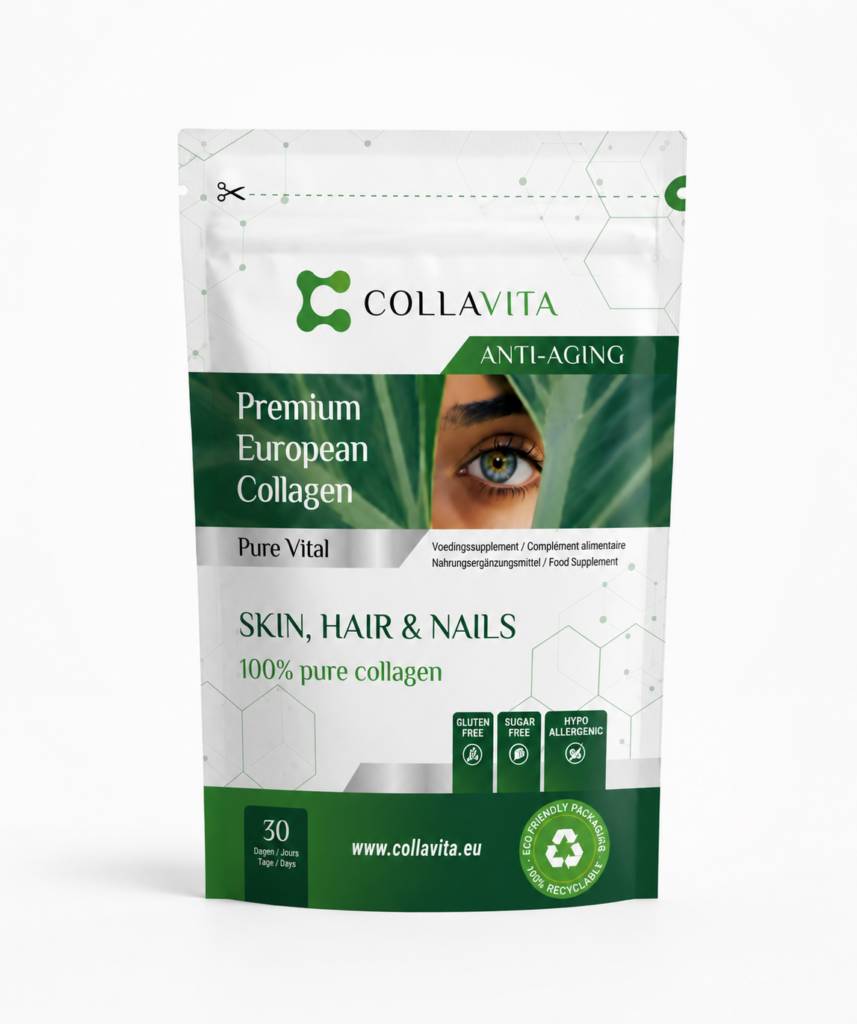
Pure bioactive collagen peptides for daily beauty support.
€ 27,90 – € 49,90Price range: € 27,90 through € 49,90

Collagen peptides with added vitamin C.
€ 31,90 – € 54,90Price range: € 31,90 through € 54,90

Collagen, glucosamine & essential nutrients.
✓ Vitamin C for normal cartilage function ✓ Vitamin D for normal muscle function ✓ Copper for normal connective tissues ✓ Two types of collagen peptides, glucosamine
€ 79,50
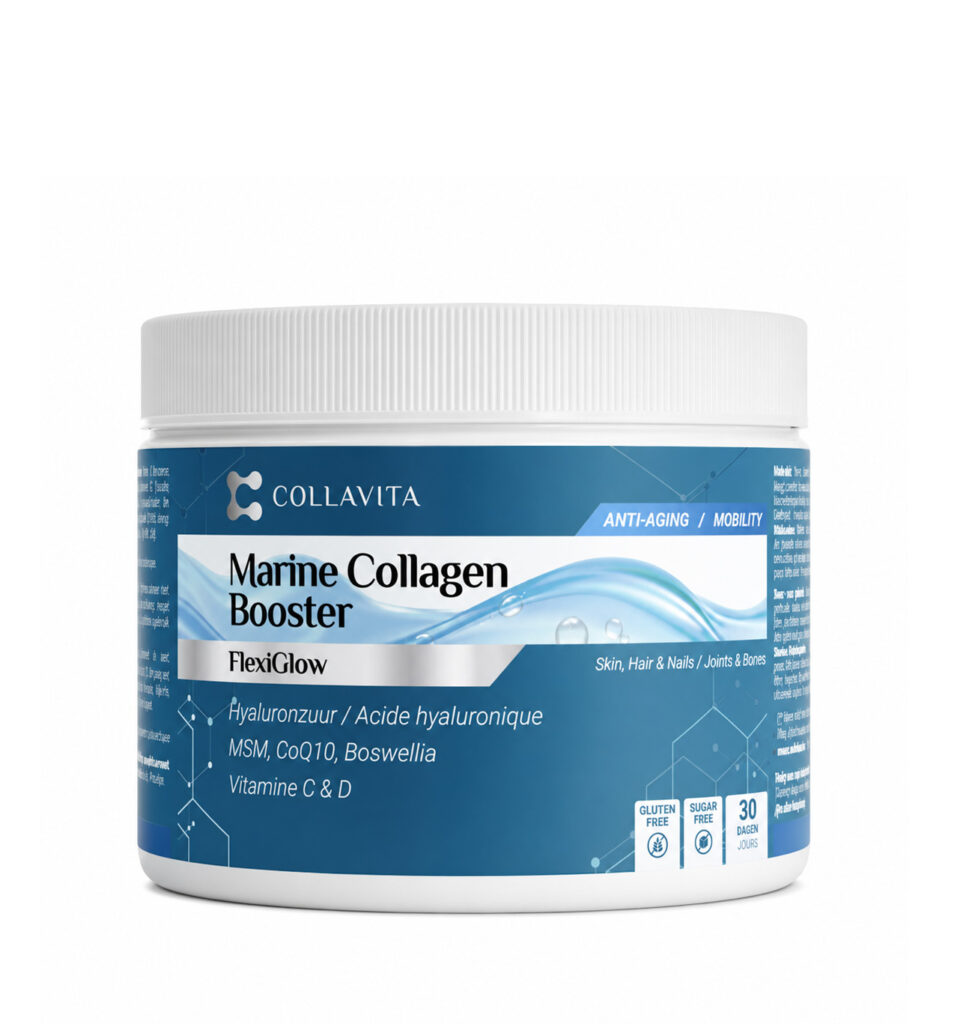
Beauty & active living in one formula
✓ Vitamin C for normal collagen formation in skin ✓ Vitamin D for normal muscle function ✓ 5 g premium marine collagen peptides ✓ With hyaluronic acid, MSM, Boswellia & CoQ10
€ 55,90
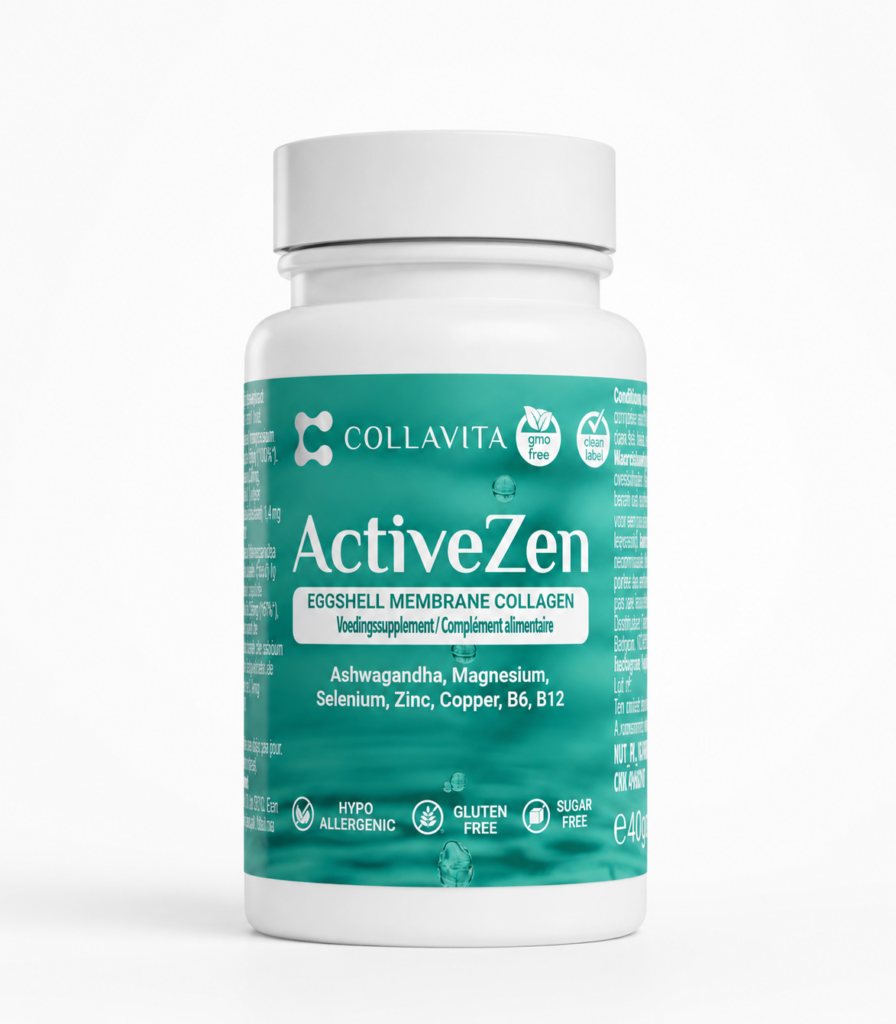
Support your body and mind for everyday balance.
€ 54,90
 Optimized by Seraphinite Accelerator